
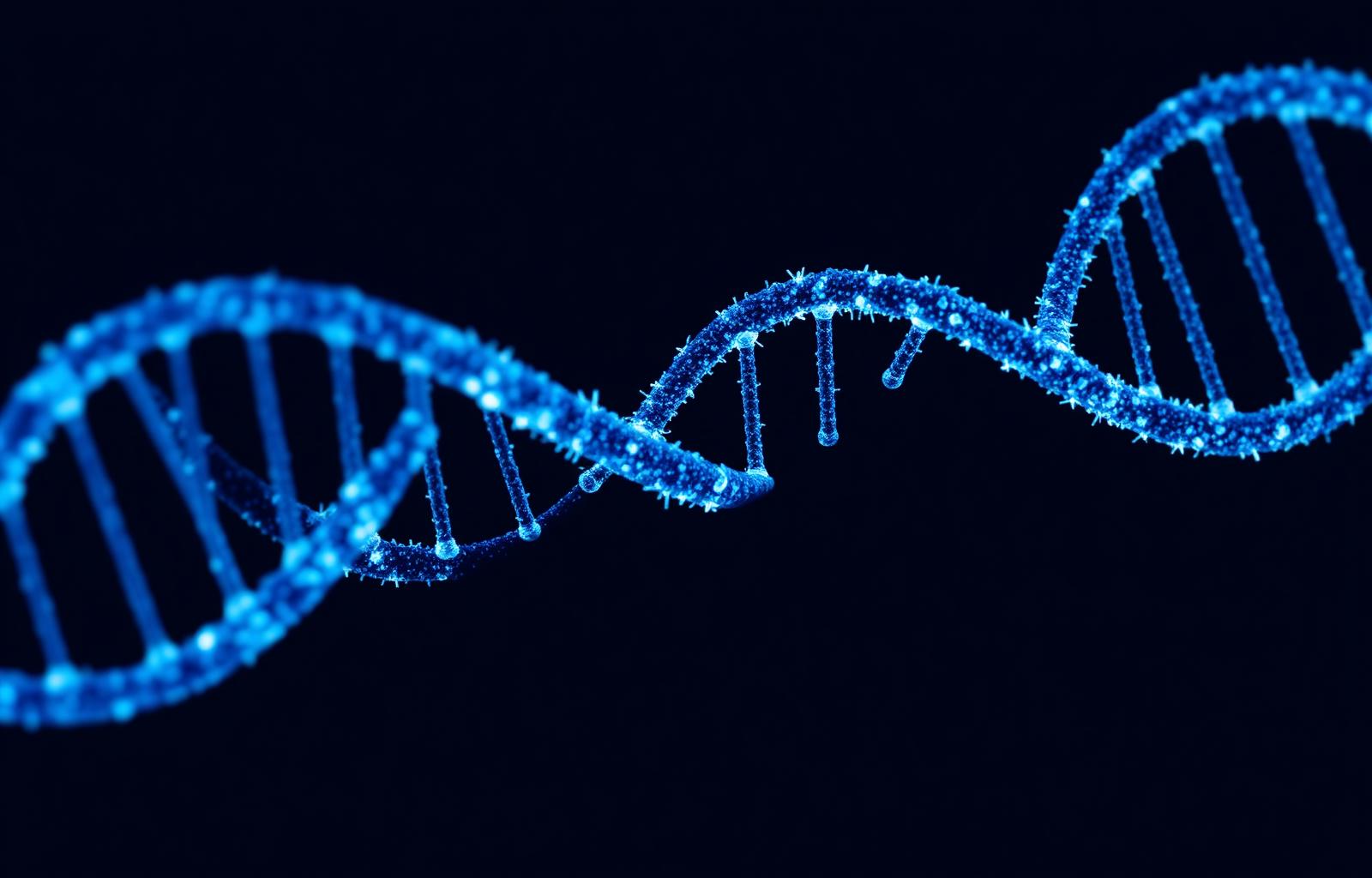
Titinopathy.
A spectrum of muscle disorders caused by mutations in the TTN gene — which codes for titin, the largest known protein in the human body.
Titin acts as a molecular spring inside every muscle fibre, including the diaphragm and the heart. When TTN is altered, muscles cannot generate, hold, or recover tension properly. Severe congenital forms present at birth with respiratory failure, hypotonia and feeding difficulty.
How it presents.
Reduced fetal movement
Softer kicks in the third trimester. Always worth flagging — trust your instincts.
Respiratory failure at birth
Inability to breathe independently. Often needs ventilation within minutes.
Feeding & swallowing problems
Weak suck, reflux, poor coordination between sucking and breathing.
Generalised hypotonia
Floppy tone, poor head control, limited spontaneous movement.
Joint contractures
Stiff or fixed joints at birth — a consequence of reduced in-utero movement.
Cardiac involvement
Some variants affect heart muscle and require lifelong monitoring.
Both parents may be carriers — without symptoms.
Autosomal recessive model shown · 25% probability per pregnancy.
- i.Two healthy carrier parents have a 25% chance of an affected child each pregnancy.
- ii.Most carriers have no symptoms and no family history — testing is the only way to know.
- iii.After one affected child, genetic counselling guides prenatal options.
- iv.Some dominant TTN variants follow a different pattern. Always confirm with a clinical geneticist.
From concern to confirmation.
Clinical evaluation
Assessment of motor function, breathing, feeding and family history.
Creatine Kinase (CK) test
A blood test; often normal or only mildly elevated in TTN cases.
Genetic sequencing
Next-generation sequencing covering the TTN gene is the gold standard.
Cardiac screening
Echocardiogram or cardiac MRI to monitor for cardiomyopathy.
Multidisciplinary plan
Respiratory, cardiac, feeding, physiotherapy and family support.
Where the science moves.
- Addenbrooke's NICUCambridge, UK
- MRC Centre for Neuromuscular DiseasesLondon, UK
- Bonnemann Lab — NIH / NINDSBethesda, USA
- Udd Lab, TampereFinland
- International TTN ConsortiumGlobal registry
If you're wondering —
TTN codes for titin — the largest protein in the human body. Titin gives muscle its elasticity and structural integrity. When TTN is mutated, muscles cannot function properly.
A guide for your next consultation.
Printable questions to bring to your GP, midwife or paediatrician if Titinopathy is a concern. Free, plain-English, ready in your hand.
Request the checklistEducational reference only · not a substitute for medical advice